

I always joke with my friends about how I rarely get sick, but when I do, it is so major that it makes up for all the times I’m not. November of 2024 marked a time in my life where I realized I had actually been sick for a very long time and I didn’t even know it. What started as a big moving day ended with me spending almost two whole weeks in the hospital searching for answers to a problem I didn’t even know I had.
It was a typical Saturday in November and I was moving out of my old apartment and into a new one, just 5 minutes away from my workplace. The only downside is that it’s on the 3rd floor of the building with stairs as the only access point. With that in mind, I decided to hire a moving company. By the end of the day, I was so exhausted from cleaning, packing last minute things, taking little things up and down to my car and then back up to my new place. When I was finally ready to get to bed, I noticed that I was breathing heavy and sniffling, which I attributed to all the physical activity and dust. As I settled in bed, I realized I wheezing more than I typically would if I was having an asthma attack, so I took my inhaler hoping for sweet swift relief. Sadly, it did not come. I took my inhaler another time hoping that I would at last get my breathing under control and get some sleep. At that point, I knew something was wrong and I quickly drove myself to the nearby ER desperately hoping for a rescue breathing treatment. What I received instead was way beyond what I had expected.
When I arrived at the emergency room, they immediately admitted me and began checking my vitals and breathing. What they noticed was that my blood pressure was sky high (220-something over 100) and that my heart was enlarged and working at 3x the rate that it should have been. They asked me a barrage of questions about my blood pressure, urination, heart rate, and more. I had no idea why they were asking me all of this when I thought all I needed was a breathing treatment. They decided to do some labs on the spot and asked me even more questions because they had major concerns regarding my kidney function. Essentially, they told me that my kidneys were significantly damaged and they didn’t understand why, especially since I had no previous serious health concerns. They admitted me to the ICU to monitor my heart and try to bring my blood pressure down a little bit at a time. While I was in the ICU, they ran a series of tests and determined that my kidneys were barely functioning—again, not knowing exactly why. When they did the initial sonogram, my Nephrologist was concerned because she reported that in the sonogram, they could not find my kidneys at all. Naturally, I was aghast. She said she wanted to do a second, more intensive one, and I agreed to it. On the second round, she told me that they did actually find my kidneys, but they were very small and very significantly damaged. She was curious as to why someone with fairly good health and normal everyday functioning would have such damaged kidneys and recommended getting a kidney biopsy to find the root cause of the damage. So I opted in to a kidney biopsy in search of answers.
When my Nephrologist returned with my kidney biopsy results, I found myself dissociating for a little bit and I wondered if my body had been swapped with someone else’s. The reason why, you ask? The biopsy revealed that I have IGA Nephropathy (IGAN). IGA Nephropathy is a type of kidney disease that can cause inflammation and damage to the kidneys. This kidney damage occurs little-by-little each day, silently and often undetected unless a kidney biopsy uncovers it. Some people acquire it as a result of various illnesses working together to create the change in an antibody called immunoglobulin A (IgA). In my case, I was born with it and the autoimmune disease has been damaging my kidney little by little each day since birth. Since I was born with it, through the years, my body naturally compensated for the damage and stepped in to do more work to support my kidneys every day of my life. That’s why my heart was so enlarged by this time even though I was seemingly asymptomatic.
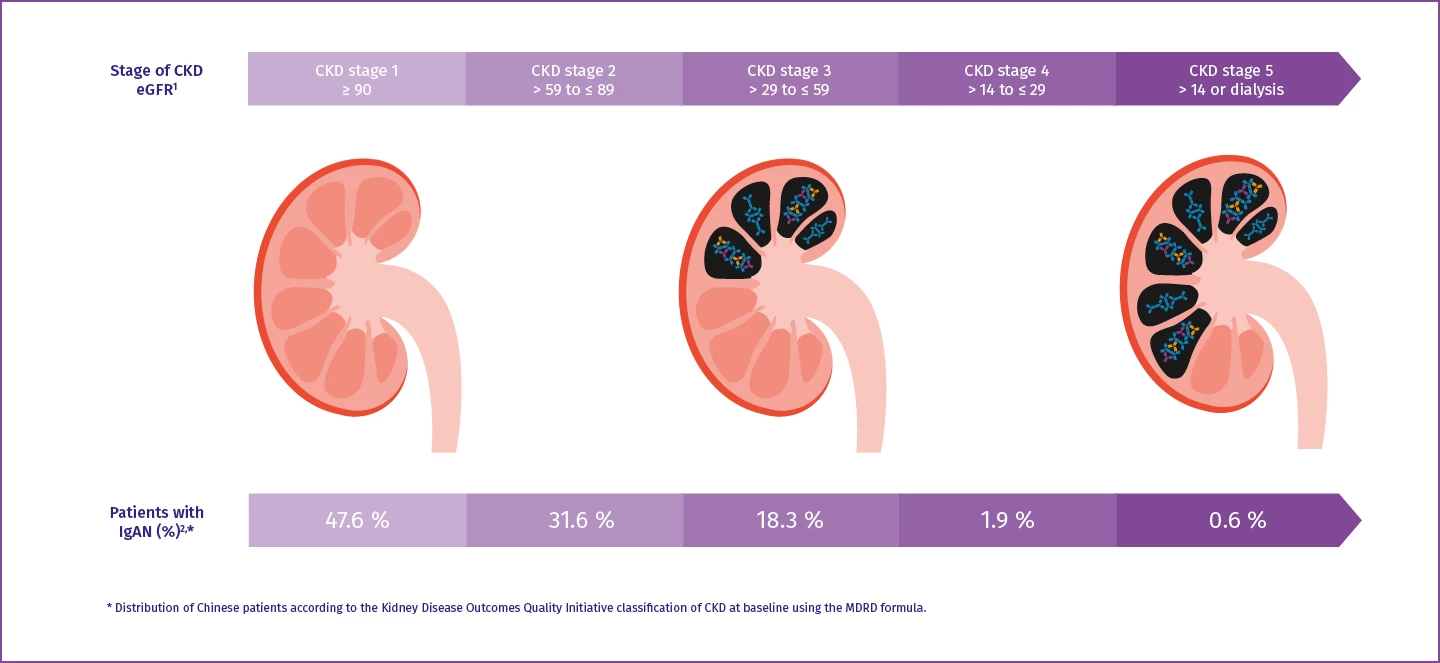
Since there had been so much damage to my kidneys, I found myself with answers and one major piece of the answer was that I am now in End Stage (5) Kidney Failure. We immediately began discussing options and agreed that the best path forward for me would be to start at-home peritoneal dialysis and do what was necessary to get on the transplant list as soon as possible. I immediately adopted the renal diet, cutting out a lot of beef and pork, foods high in salt, potassium, and phosphorus (which is in literally everything!), and was put on a fluid restriction to prevent fluid overload that could lead to heart failure and pulmonary edema (fluid in the lungs). Because of the state of my kidneys and the damage that the incurable IGAN will continually inflict on them each day moving forward, I have to do an 8 hour dialysis treatment every night. So each night, I have to be home by a certain time because it takes me about 45 minutes to get everything sterilized and set up for my treatment. Then I wake up around 6am and get ready for a full day at work—I am the Assistant Principal of Operations at a local charter High School, go home (or stay for an athletics game) around 6pm to eat dinner and get ready for treatment and then I rinse, wash, and repeat the process. Although treatments impact my ability to spend extra time doing things I truly enjoy, I am so grateful for my cycler that helps to clean my blood each night so that I can keep on living the next day. The great news is that although I have been on this dialysis routine since March of 2025, I have finally been listed as ACTIVE on the kidney transplant list!
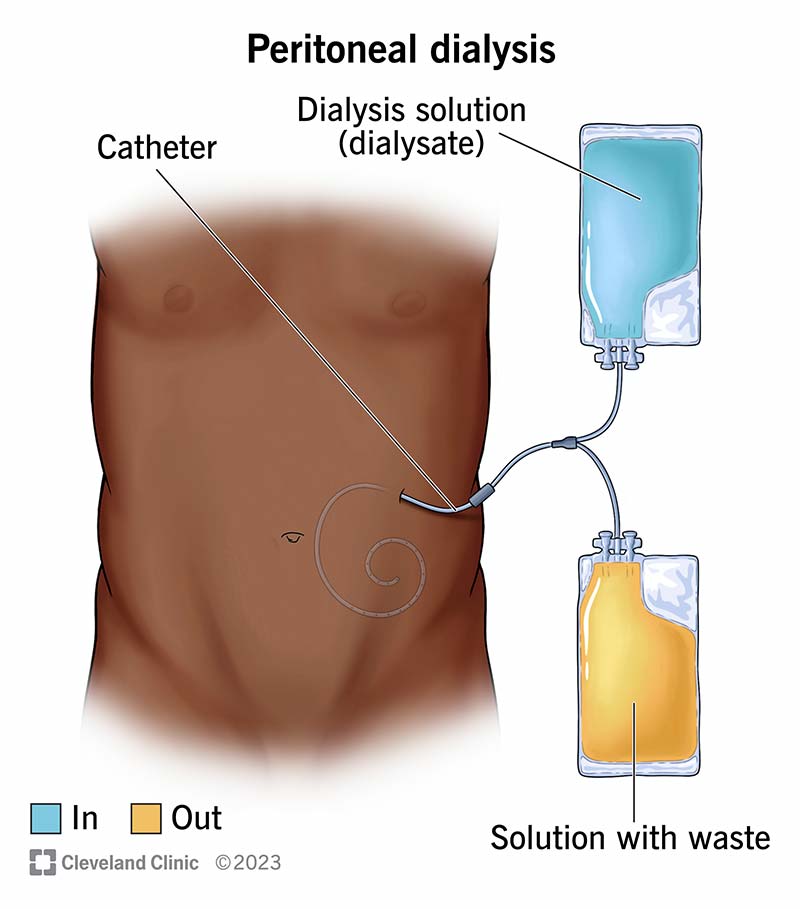
Being on the transplant list gives me SO much hope! I know it could still take years to actually get a transplant depending on if I get a live donor or a cadaver donor, but this feels one step closer to hope for a different kind of treatment for my dying kidneys—which are both currently at 6% function. In gratitude for all that my body has done to help keep me going all these years, I’m celebrating this big step forward. I’m celebrating one step closer to not having to share my bedroom with boxes on boxes of medicine (dialysate) and medical supplies. I’m celebrating one step closer to not having to be at home every night by 8pm to start my routine so I can get my 8 hour treatment done before it’s time to get ready for work the next day. I’m celebrating one step closer to being able to fully shower without wearing a mask or fearing that I’m going to get an infection to my exposed exit site. I’m celebrating one step closer to being able to go swimming or even go near the water without risking contamination to my exit site. I’m celebrating one step closer to not waking up in pain because I had to sleep in an awkward position to prevent my machine from beeping alarms all night long during treatment. I’m celebrating one step closer to not waking up feeling nauseous after each treatment. I’m celebrating one step closer to being untethered and able to move freely around my apartment without a cord attached to my body pulling me back to the allotted extension length. One step closer to not having to ask my friends and family to be at my apartment to receive my monthly med supply so that I can stay at work and pay for life. One step closer to not being restricted to only drinking 46oz of water each day, and so many other restrictions!
If you are interested in learning more about kidney donation and the possibility of being a live donor for me, you can check out the link below!
https://www.stdavids.com/specialties/transplant-services/kidney-transplant
TO BECOME A LIVE DONOR: https://namc.donorscreen.org/register/now
If you decide to opt-in to donate a kidney, my insurance will cover the cost of all of your medical visits and the procedure. If you go through the preliminary process and we don’t end up matching blood type/antibodies/etc., there is still a Paired Kidney Exchange program at the hospital I am listed for in Austin, TX. This involves matching incompatible donor recipient pairs to other incompatible pairs who may live locally or in other parts of the state or country. Signing up as a donor for me and still completing the process to give it to someone else simply moves me higher up on the priority list to receive a local kidney. Please know that I completely understand if you don’t feel that kidney donation is the right path for you and it does not change the way I think of or feel about who you are. This is a big step for everyone involved and while I would love to get a new kidney as soon as possible, I’m also okay with waiting the 5-7 years estimated to receive a cadaver kidney if that’s what is necessary. In the meantime, I will continue to follow the renal diet, complete my daily dialysis treatments, and stay on the right track to care for my kidneys in the best way I can as I await a transplant!

 amo.says